
How to Start Investing: Little Money, Best Index Funds, Roth vs Traditional IRA, Passive Income & Long-Term Growth
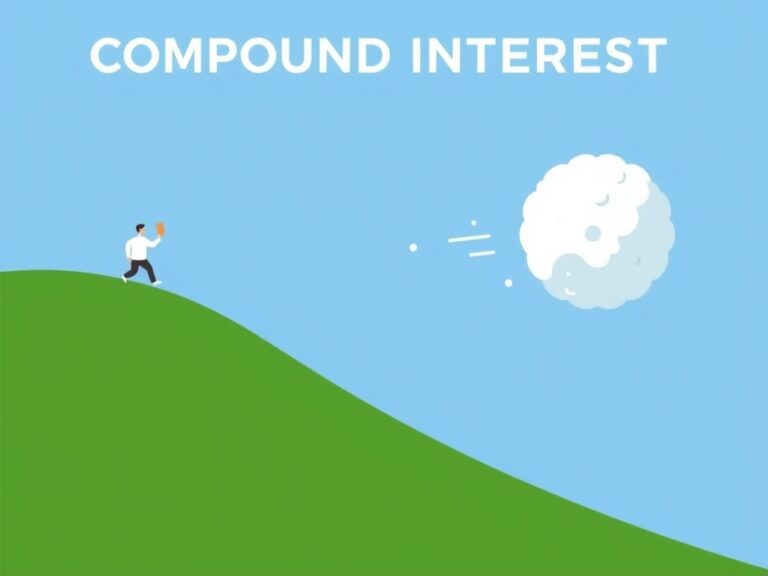
Starting your financial journey doesn’t require a massive inheritance or a six-figure salary; in fact, the most important step is simply getting started today. Many people believe they need thousands of dollars to enter the market, but with the rise of modern brokerage apps, you can actually begin with as little as $5 or $10. This is made possible through fractional shares, which allow you to buy a small slice of high-priced stocks like Amazon or Apple without paying the full share price. By consistently contributing even small amounts, you harness the incredible power of compound interest, where your earnings eventually start earning their own interest. Think of it like planting a seed: it might look small now, but with regular watering—or in this case, monthly contributions—it will grow into a massive tree over time. One of the best ways to manage this is through automated transfers, ensuring you ‘pay yourself first’ before you have a chance to spend that money on non-essentials. Low-barrier entry points have democratized the financial world, making it accessible for students, young professionals, and anyone on a tight budget. You don’t need to be a Wall Street expert to see success; you just need the discipline to stay the course and keep adding to your portfolio. Focusing on consistency over timing the market is a proven strategy for wealth building that works for everyone regardless of income level. Remember, the best time to plant a tree was twenty years ago, but the second best time is right now. So, don’t let a small bank balance stop you from taking control of your financial future today. Every dollar you invest now is a soldier working for your future freedom in the years to come. Start small, dream big, and watch how those tiny contributions transform your life over the next decade.
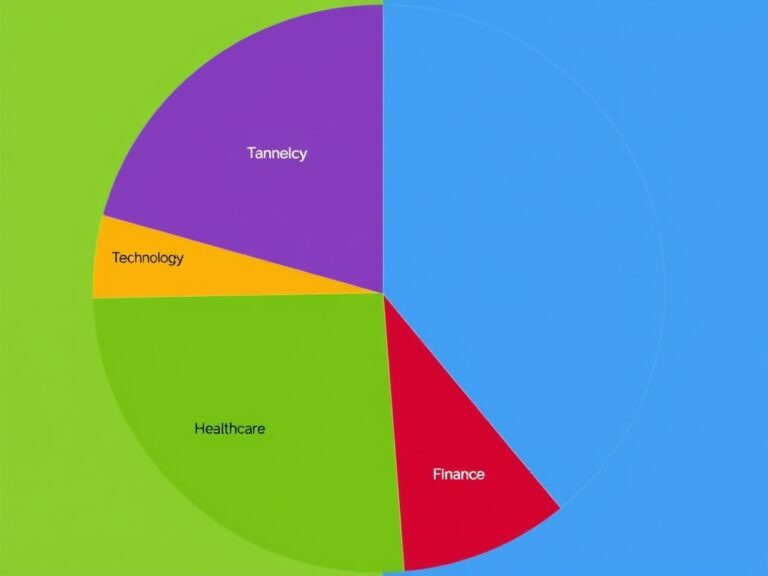
When you’re looking for the best index funds to anchor your portfolio, you’re essentially choosing a basket of stocks that provides instant diversification. Instead of gambling on a single company, index funds track a specific market segment, like the S&P 500, which includes the 500 largest companies in the United States. The beauty of this approach is that it offers lower risk because even if one company fails, the other 499 are there to keep the fund stable. Furthermore, index funds are famous for their low expense ratios, meaning you keep more of your returns instead of giving them away to fund managers in high fees. Top-tier choices often come from providers like Vanguard, Fidelity, or Schwab, where you can find funds that charge less than 0.05% annually. For beginners, a Total Stock Market Index Fund is often the ‘gold standard’ because it gives you exposure to every public company in the US, from small startups to tech giants. Historically, the broad market has returned an average of about 10% per year, which is a fantastic rate for passive investors. By choosing these funds, you aren’t trying to beat the market; you are simply capturing the market’s natural growth over time. This ‘set it and forget it’ mentality is often more profitable for the average person than active day trading or stock picking. You won’t have to spend hours analyzing balance sheets or watching ticker tapes all day long to see your wealth grow. It’s about working smarter, not harder, by letting the collective innovation of the world’s best companies do the heavy lifting for you. Diversification is the only free lunch in finance, and index funds serve it up on a silver platter for every type of investor. Whether you want to focus on tech, international markets, or the whole US economy, there is an index fund tailored for your specific financial goals.
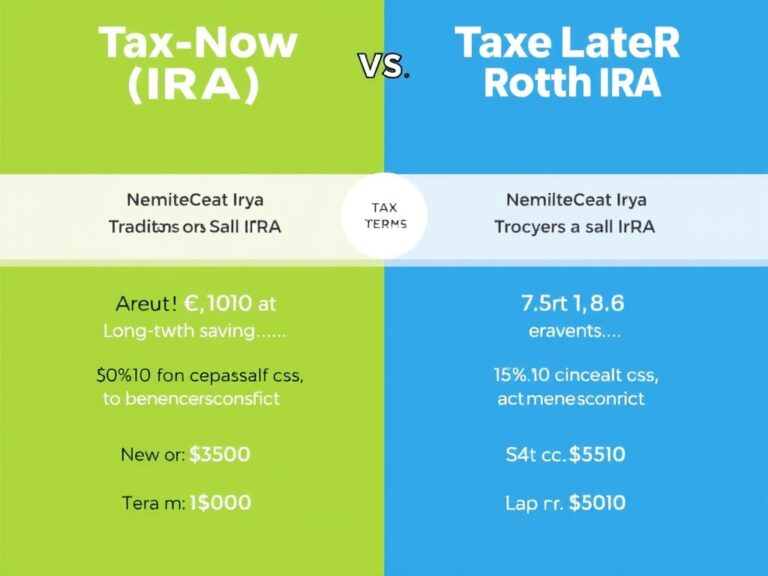
Choosing between a Roth vs Traditional IRA is one of the most critical decisions you’ll make for your tax strategy and long-term wealth. To simplify it, the main difference lies in when you want to pay taxes to the government on your hard-earned money. With a Traditional IRA, your contributions are often tax-deductible today, which lowers your current taxable income and gives you an immediate break. However, you will pay regular income tax on that money when you eventually withdraw it during your retirement years. On the other hand, a Roth IRA offers no immediate tax break, but your money grows 100% tax-free, and withdrawals in retirement are also tax-free. This makes the Roth IRA an incredible tool for younger investors who expect to be in a higher tax bracket later in life. Consider these key factors when making your decision:
- Current Tax Bracket: If you’re earning a high income now, Traditional might be better; if you’re early in your career, Roth is usually king.
- Age: The younger you are, the more time you have for decades of tax-free growth in a Roth account.
- Withdrawal Rules: Roth IRAs offer more flexibility for withdrawing your original contributions without penalty if an emergency arises.
Many experts suggest that if you can afford the taxes now, the Roth IRA is the ultimate wealth-building vehicle because of that tax-exempt growth. It’s like paying taxes on the small bag of seeds so you don’t have to pay taxes on the entire massive harvest later. Both accounts have annual contribution limits, so it is important to check the current IRS guidelines each year to maximize your savings. Ultimately, having a mix of both types of accounts can provide ‘tax diversification’ when you eventually stop working and start living off your assets. Evaluate your future goals and pick the account that aligns best with your vision of financial independence.
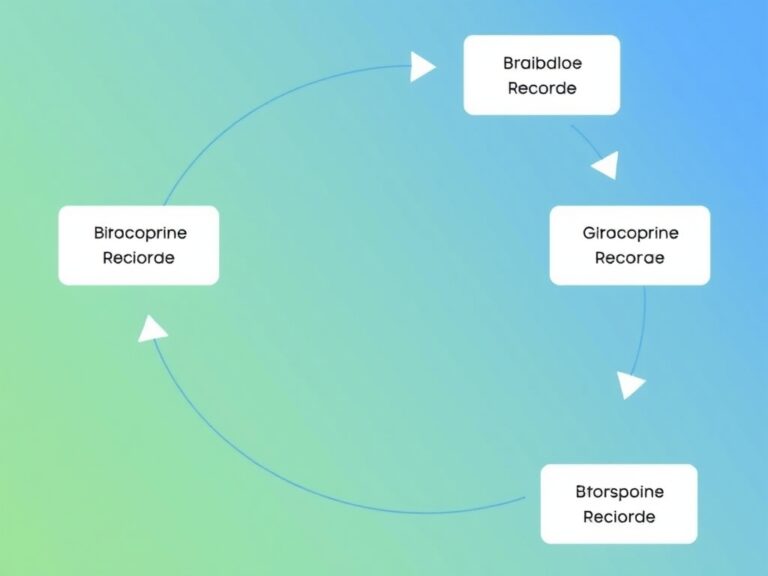
The ultimate goal for many investors is creating a stream of passive income that eventually covers their living expenses without needing a 9-to-5 job. This is primarily achieved through long-term growth and dividend-paying investments that reward you just for owning a piece of the company. When you invest in high-quality index funds or dividend growth stocks, those companies pay out a portion of their profits to shareholders regularly. Instead of spending those dividends, you should use Dividend Reinvestment Plans (DRIP) to automatically buy more shares of the fund or stock. This creates a powerful feedback loop where you own more shares, which pay more dividends, which then buy even more shares. Over decades, this snowball effect can turn a modest portfolio into a cash-generating machine that funds your lifestyle. Achieving financial freedom is less about striking it rich with a ‘meme stock’ and more about the slow, steady accumulation of productive assets. You must cultivate a mindset that views money as a tool for buying back your time rather than just buying temporary material items. Passive income provides a safety net that protects you during economic downturns or unexpected job losses in your primary career. It also allows you the freedom to pursue hobbies, travel, or spend more time with family without worrying about a monthly paycheck. Remember that real wealth is what you don’t see; it’s the assets working behind the scenes while you sleep at night. The road to passive income is a marathon, not a sprint, requiring patience, consistency, and a very long-term perspective. Stay focused on your ‘why,’ and let the power of the global markets build your financial empire one brick at a time. By the time you reach your target, you’ll realize that the discipline you developed was just as valuable as the money itself.
Before you dive headfirst into the markets, it is vital to have a solid foundation to ensure your long-term growth isn’t derailed by life’s surprises. First, aim to build a small emergency fund of at least three to six months of living expenses in a high-yield savings account. This prevents you from having to sell your investments at a loss if your car breaks down or you face an unexpected medical bill. Next, focus on high-interest debt like credit cards, as the interest you pay there often outweighs the returns you’d get from the stock market. Once your foundation is set, follow these simple steps to maintain a healthy portfolio:
- Automate: Set up recurring transfers to your brokerage account so you don’t forget to invest.
- Rebalance: Once a year, check if your asset allocation is still on track with your original plan.
- Stay Calm: Don’t panic-sell when the market dips; see it as a ‘sale’ on stocks rather than a disaster.
Successful investing is often 90% temperament and only 10% knowledge of the actual numbers. Avoid the noise of 24-hour financial news cycles that try to scare you into making emotional decisions with your hard-earned money. Keep your costs low, stay diversified, and let time be your greatest ally in the quest for generational wealth. You have all the tools you need to build a prosperous future starting with whatever amount you have in your pocket today. The journey of a thousand miles begins with a single step, and your first step starts with clicking that ‘buy’ button on a solid index fund. Be patient with yourself and the process, and you will eventually see the fruits of your labor in a big way. Welcome to the world of investing—your future self will thank you for the smart choices you are making today.